From Rotary Phones to Robocalls: What SFO’s Telephone Museum Says About the Future of Your Phone
I was walking through San Francisco International Airport when I found something I did not expect: a telephone museum.
Not a giant museum. Not something you plan your trip around. Just a glass case full of old phones, tucked inside the airport, quietly telling the story of how much the telephone has changed.
There were wooden desk phones, rotary phones, colorful mid-century phones, bag phones, flip phones, phone books, old telephone ads, and signs reminding people when long-distance calls were cheaper. It was nostalgic, but it also made me think about something bigger.
The phone used to feel magical.
Then it became normal.
Then it became annoying.
And today, for a lot of people, the phone has become something we hesitate to answer.
That is a strange evolution.
The Phone Started as a Breakthrough
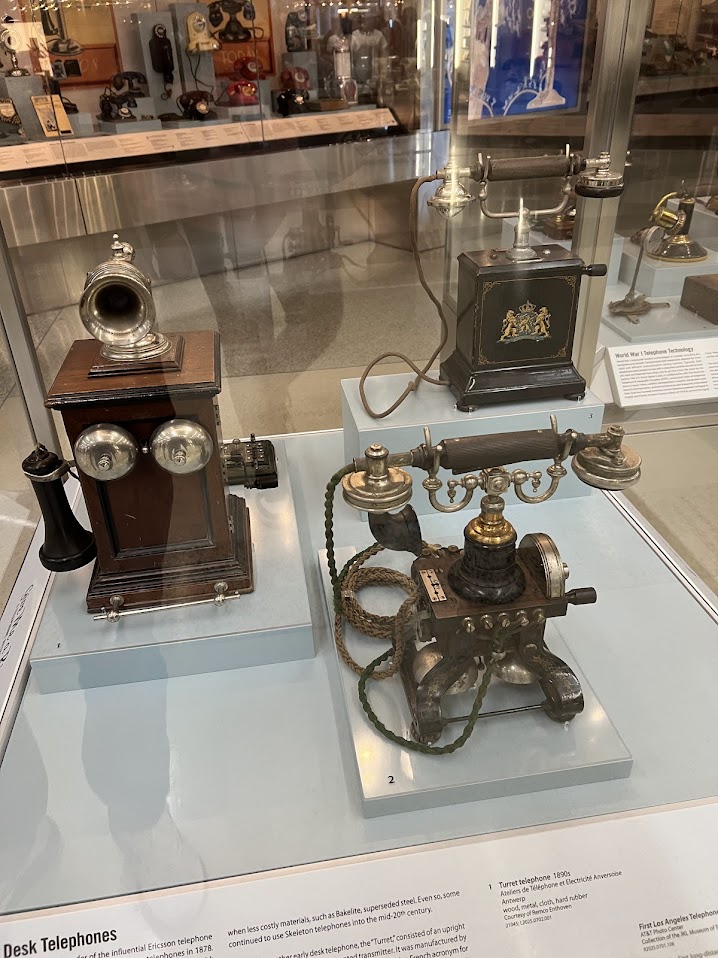
Some of the earliest phones in the exhibit barely look like phones at all. They look like furniture, lab equipment, or something from an old inventor’s workshop.
That makes sense. In the beginning, the telephone was not just another household device. It was a breakthrough. A voice could travel across distance. A person could speak into one object and be heard somewhere else.
Today that sounds obvious because we carry phones everywhere. But at the time, the idea that your voice could move through wires and come out on the other end must have felt impossible.
The early phone was not casual. You did not pull it out of your pocket while standing in line. You approached it. You used it with intention. A call meant something.
The Rotary Phone Made Calling Feel Personal
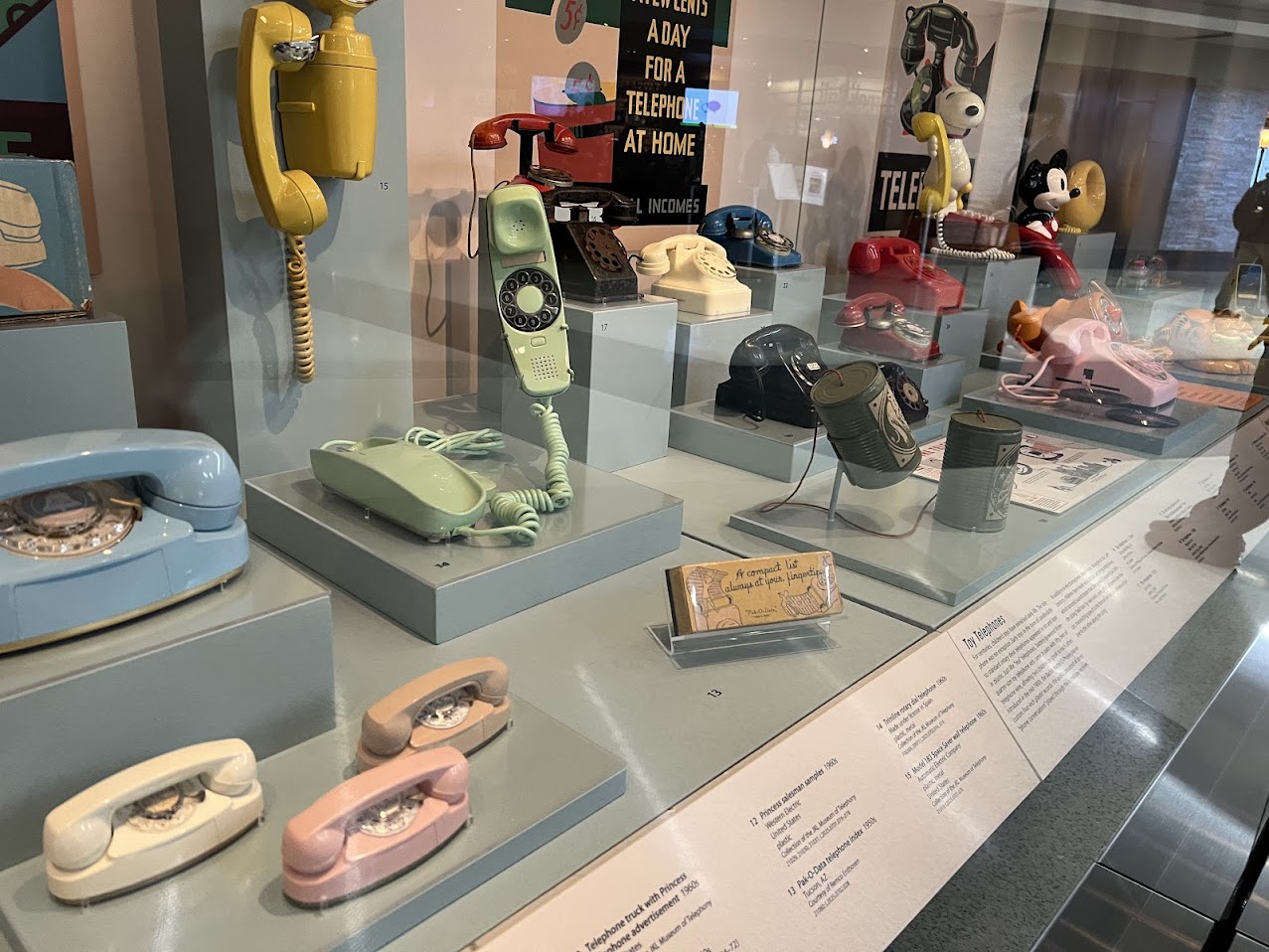
The rotary phones were my favorite part of the display. They have weight. They have personality. Blue, red, green, cream, black — every phone looked like it belonged to a specific house, a specific kitchen, a specific desk.
There is also something physical about them that we lost.
You had to put your finger in the dial, turn it, wait for it to spin back, and then do it again. Each number took effort. Calling someone was not instant. It was deliberate.
That friction sounds inconvenient now, but it also made calls feel more human. You knew who you were calling. They usually knew who was calling them. The phone was a bridge between people who had a reason to talk.
Compare that to today, when your phone lights up from a number you do not recognize and your first thought is not “who is it?” but “is this spam?”
That shift matters.
Long-Distance Calls Used to Be a Big Deal
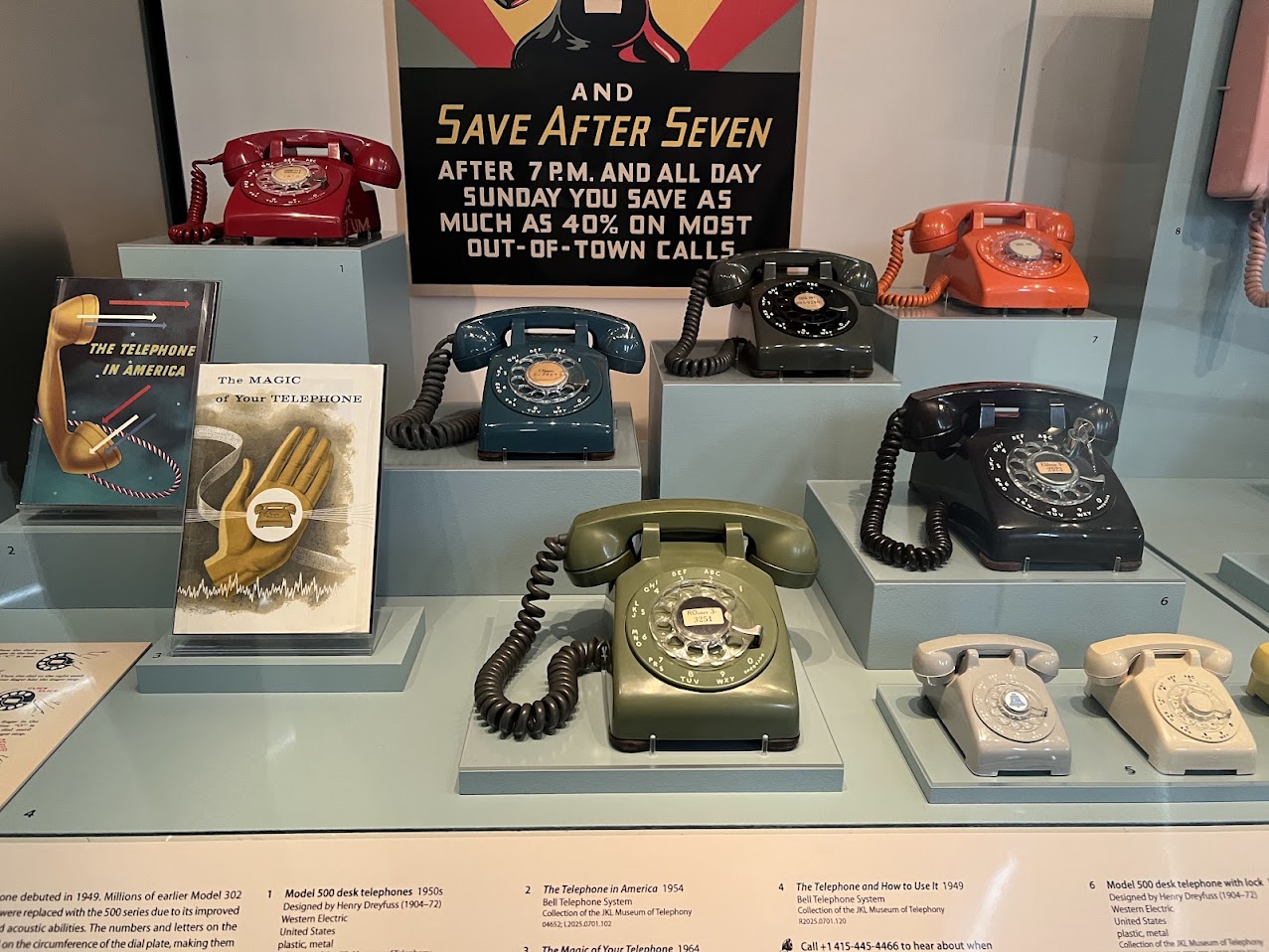
One of the signs in the exhibit advertised cheaper calls after 7 p.m. and on Sundays. That little detail says a lot.
There was a time when phone calls had a cost you could feel. Calling out of town was something you planned. You waited for the cheaper window. You thought about how long the call would last.
Now we can call almost anyone, almost anywhere, for almost no incremental cost.
That is amazing.
But the same thing that made communication cheaper also made abuse cheaper. Robocallers, scammers, lead sellers, spoofed numbers, and automated dialers all benefit from the fact that calling people is now easy at scale.
The cost of a call went down.
The cost of interruption went up.
The Phone Became Part of Pop Culture
[Insert photo: toy telephones and colorful novelty phones]Another section of the exhibit had toy phones and novelty phones. There were bright colors, playful shapes, and phones that looked more like objects of personality than tools.
That era is interesting because the phone was no longer just technology. It had become culture.
Kids played with phones. Families picked phones that matched the house. Brands used phones in ads. The telephone became a symbol of connection, status, gossip, emergencies, romance, business, and home life.
The phone was not just how people communicated. It was part of how people imagined communication.
That is why the decline of trust in phone calls feels so frustrating. The phone used to sit in the center of our lives. Now many people avoid answering it unless the caller is already saved in their contacts.
Mobile Phones Changed Everything Again
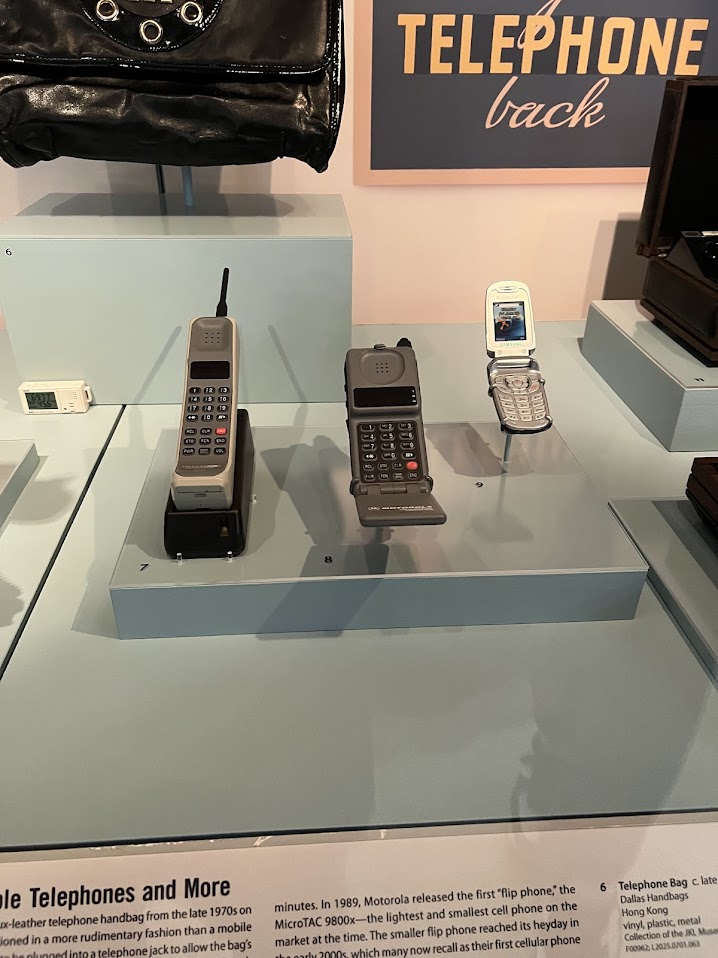
Then came mobile phones.
The exhibit had early mobile devices that look huge by today’s standards. There was a bag phone, early cordless-looking devices, and a flip phone. Seeing them together makes the evolution obvious: the phone kept getting smaller, more portable, and more personal.
The phone left the wall.
Then it left the desk.
Then it left the car.
Then it moved into our pockets.
That was a massive shift. Once the phone became mobile, it was no longer tied to a place. It was tied to a person. Your number became part of your identity. Your phone became the fastest way to reach you.
That made the phone more useful.
It also made unwanted calls more invasive.
A spam call to a landline was annoying. A spam call to the device in your pocket feels personal. It interrupts your work, your drive, your dinner, your family, your sleep, and your focus.
Somewhere Along the Way, We Stopped Trusting the Ring
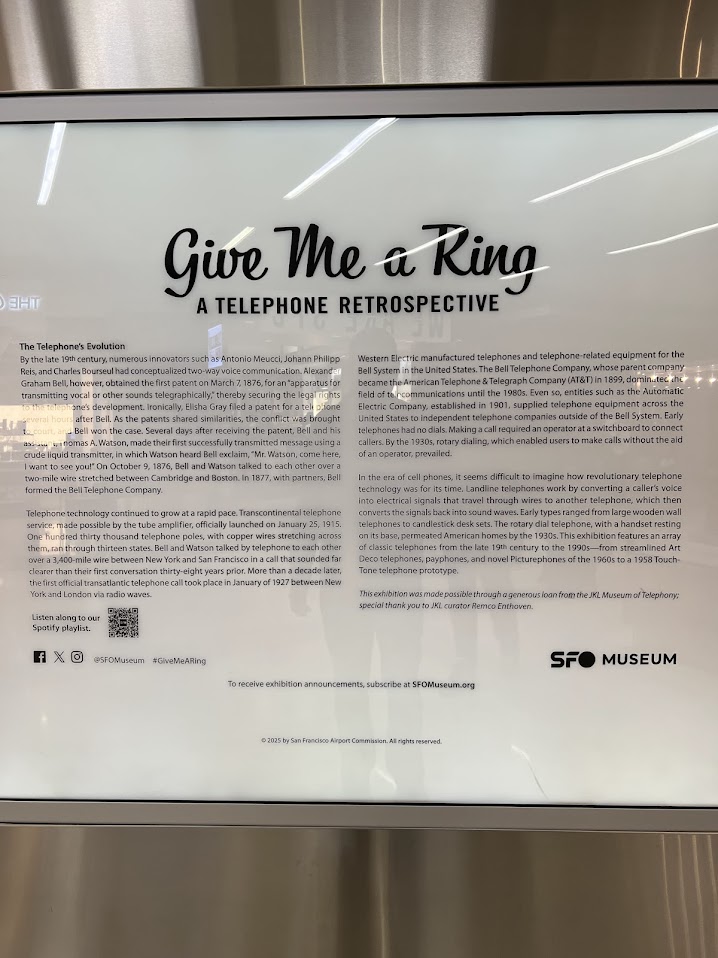
The exhibit is called “Give Me a Ring,” which is a perfect phrase because it captures how warm the phone used to feel.
Give me a ring.
Call me.
Let’s talk.
That phrase assumes the call is wanted.
Today, the ring often creates hesitation. Unknown number. No caller ID. Possible spam. Possible scam. Maybe important. Maybe not.
That uncertainty is the problem.
The modern phone is powerful, but it asks too much of the person using it. We are expected to instantly decide whether an unknown caller is worth our time. We are expected to recognize spoofed numbers. We are expected to ignore scams without accidentally missing real calls from doctors, schools, clients, delivery drivers, banks, or family members.
The phone got smarter.
The burden on the user got heavier.
The Next Phone Upgrade Is Not Another Screen
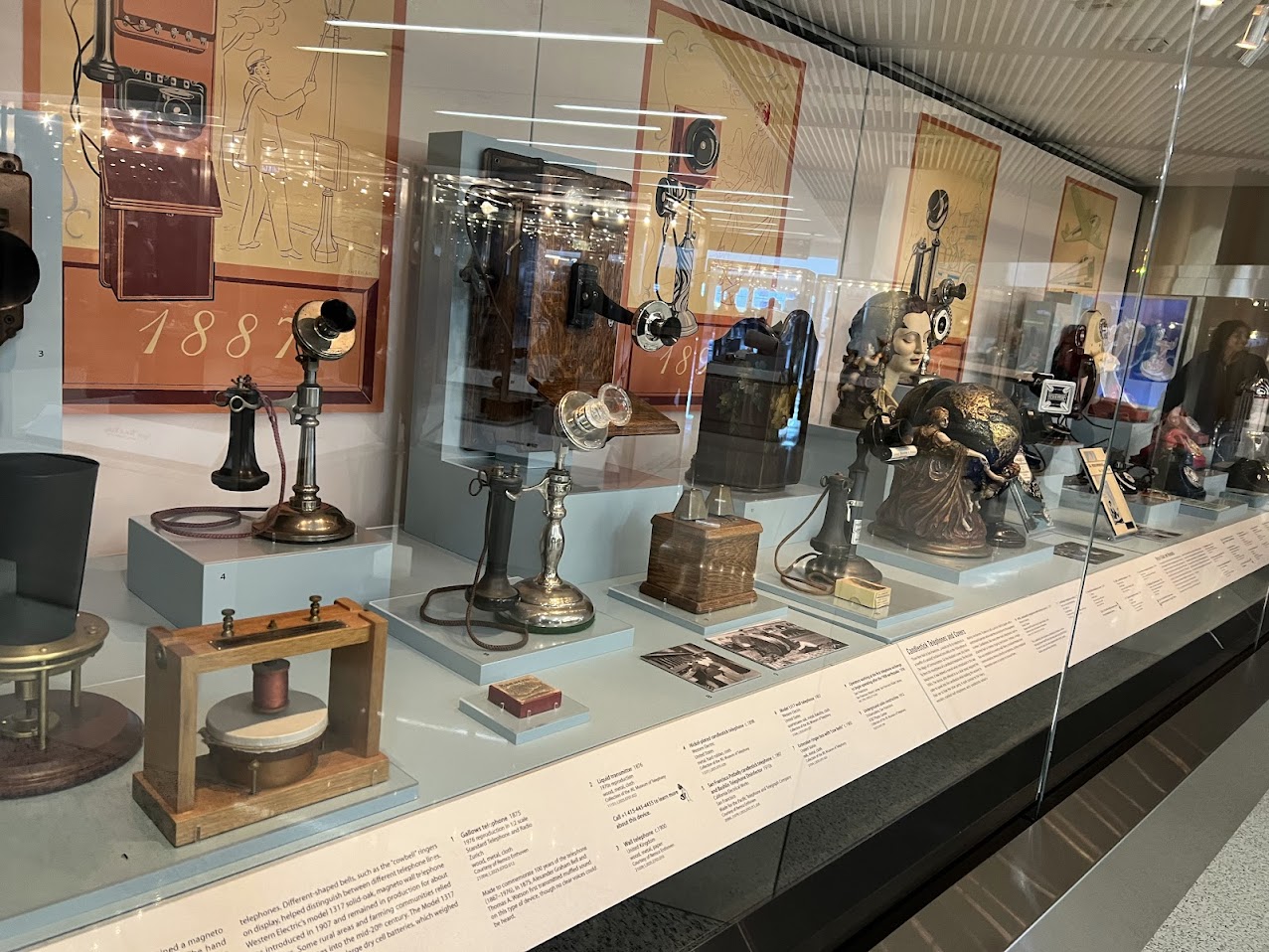
After seeing the history of the phone laid out in one display, I kept thinking about what the next evolution should be.
It is probably not just a thinner device.
It is probably not just a better camera.
It is probably not just another app icon.
The next real upgrade is intelligence.
Your phone should be able to help you decide what deserves your attention. It should know the difference between a real person with a real reason to reach you and another unwanted interruption. It should protect your time without cutting you off from the people who matter.
That is the idea behind Heynet.
Heynet gives you an AI Spam Call Blocker that can screen unknown callers, help summarize what they wanted, and let you decide whether the call is worth returning. Instead of forcing you to answer every unknown number or ignore everything, Heynet gives you a smarter layer between you and the noise.
It is not about avoiding communication.
It is about making communication trustworthy again.
From “Who’s Calling?” to “Is This Worth My Time?”
The telephone has been evolving for more than a century.
First, it made distant voices possible.
Then it made calling easier.
Then it made communication portable.
Then smartphones put the entire internet in our pockets.
But now we are in a new phase. The problem is no longer whether we can be reached. The problem is that we are too reachable.
That is why spam call blocking matters. It is not just a convenience feature. It is a response to the way communication has changed.
The phone used to be a trusted signal.
Now the ring needs a filter.
Final Thought
I did not expect an airport museum display to make me think about spam calls.
But that is what happened.
Looking at all those old phones made one thing clear: the telephone has always changed with the way people live. And right now, people need less noise, fewer interruptions, and more control over who gets access to their attention.
The future of the phone is not just smarter hardware.
It is smarter help.
That is where Heynet comes in.
Your phone should work for you again.